Turks and Caicos Snorkeling Without a Tour: Bight Reef, Smith's Reef or a Boat
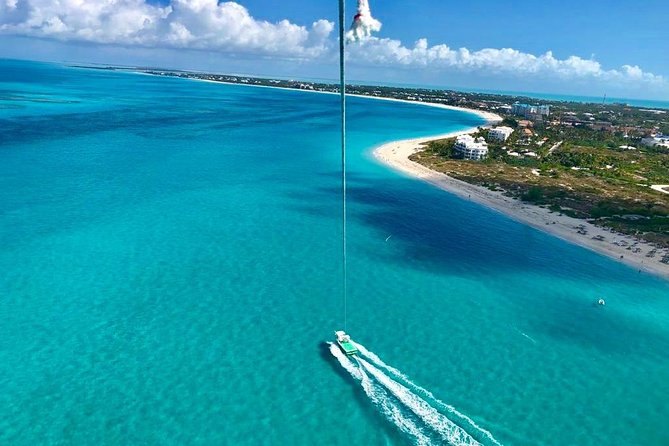
The short version. You can snorkel here without a tour. Bight Reef, also called Coral Gardens, and Smith's Reef near Turtle Cove are free shore reefs inside the national park, marked with red buoys, and you swim to them from public beach accesses. What you cannot reach on your own is the barrier reef, the outer cays, Little Water Cay and Gibbs Cay. For those you need a boat.
In this guide
- Can you snorkel Turks and Caicos without a tour?
- Bight Reef: the easy shore reef
- Smith's Reef: the better shore reef
- Shore reef or boat: how do they compare?
- What do you need to snorkel on your own?
- How do you stay safe on a shore reef?
- What does a boat add that you cannot swim to?
- What does going on your own really cost?
- Who should skip the boat?
- Who should book one?
- Can you do both in one trip?
- What will you see from the shore?
- When is a shore reef at its best?
- What if you want a guide but not a crowd?
- How do you choose your first boat after a shore swim?
- What should a family do?
- The rules that apply either way
- Frequently asked questions
The honest answer to "do you need a tour?" is: not to snorkel, but to see most of what the islands have under water. This guide sets the free shore reefs against the boats, so you can decide what is worth paying for. When you want the parts you cannot swim to, every Turks and Caicos snorkeling tour is compared in one place.
Can you snorkel Turks and Caicos without a tour?
Yes. Two good reefs start close enough to the beach on Providenciales to reach on your own, and neither charges an entry fee. The Princess Alexandra National Park, which protects both, charges snorkellers nothing.
What you need is your own gear, a partner and a calm day. What you give up is everything beyond swimming distance.
Bight Reef: the easy shore reef
Bight Reef, which locals call Coral Gardens, lies off Lower Bight Road between Grace Bay and Turtle Cove. You walk in from the Coral Gardens beach access on Penn's Road or the Stubb's Road access. The coral starts close to shore, and the main ridge sits about 350 feet out in 15 to 20 feet of water.
Red buoys mark the snorkel area, and a circle of buoys closes a no-swim conservation zone in the middle. It is the easiest reef on the island for a first try, and the place to test a new mask.
Smith's Reef: the better shore reef
Smith's Reef lies near Turtle Cove on the north coast, about 3.5 miles from Grace Bay, with three public beach accesses. It has more to see than Bight Reef and a longer swim, and sections are roped off with red buoys to protect them.
Go with a partner, check the current before you set off, and keep clear of the Turtle Cove boat channel. The top spots page describes both reefs.
Shore reef or boat: how do they compare?
| Shore reef on your own | Snorkel boat | |
|---|---|---|
| Cost | Free; your own gear | $109 to $234 per person on shared boats |
| Where you snorkel | Bight Reef or Smith's Reef | Patch reefs, the barrier reef, the cays |
| Gear | Bring or rent your own | Included, with floats on some |
| Guide and safety | A partner; no crew | A crew watching the water |
| Landings | None | Iguana Island, Half Moon Bay, Gibbs Cay |
| Lunch and drinks | Your own | Included on most |
| Best for | A test swim, confident snorkelers | First-timers, families, the outer reefs |
What do you need to snorkel on your own?
- A mask, snorkel and fins that fit
- A rash guard or mineral sunscreen; the park asks for zinc oxide or titanium dioxide
- A buddy, and someone on shore who knows where you are
- Water shoes for the walk in
- A dry bag for your keys and phone
- A calm, clear day, checked before you go
How do you stay safe on a shore reef?
Swim with a partner, stay inside the buoys, and turn back before you feel tired, because the swim back is the part people underestimate. Watch for boats near Turtle Cove, and never stand on the coral.
If you are a hesitant swimmer, wear a flotation vest even on a shore reef. A boat with a crew in the water is the safer choice for a first ever snorkel, and the non-swimmers post covers the easy options.
What does a boat add that you cannot swim to?
The barrier reef along the north coast, in clearer, deeper water; the outer cays and their sandbars; Little Water Cay, where the rock iguanas live; Half Moon Bay's lagoon; and, off Grand Turk, the Wall and Gibbs Cay's stingrays. None of that is reachable from the beach.
A boat also brings the gear, lunch, drinks and a crew who knows where the turtles feed. The deluxe catamaran is the one that goes furthest out on a shared fare.
What does going on your own really cost?
The reefs are free, but the rest is not. You need gear, a taxi or a car to the beach access and your own lunch. For one confident snorkeler, that is still far cheaper than a boat.
For a family, the sums narrow. A shared half day at $125 a person includes gear for everyone, flotation devices and lunch, and takes you to Iguana Island. The price guide sets out every band.
Who should skip the boat?
Confident snorkelers with their own gear, staying near Grace Bay or Turtle Cove, who want an hour in the water rather than a day out. A morning at Smith's Reef and an afternoon on the beach is a fine day, and it costs nothing.
Anyone on a tight budget, too: the shore reefs are among the best free things on the island.
Who should book one?
First-time snorkelers, families with children, anyone who wants the barrier reef, the cays or the iguanas, and cruise passengers at Grand Turk. For them, the boat is what makes the day.
So is anyone who wants a day planned for them. A shared half day, a reef sail or a private charter takes the logistics away, and the planning page covers what each costs.
Can you do both in one trip?
Yes, and it is the best plan for most people. Try Bight Reef on your first morning to test your mask and your confidence. Then book a boat for the reefs and cays you cannot reach, once you know what you enjoy.
A week gives room for a shore reef, a shared half day and, if the group is large, a private charter to finish.
What will you see from the shore?
More than you might expect. The shore reefs carry the same reef fish as the patch reefs further out: blue tang, sergeant majors, parrotfish and butterflyfish over coral and sea fans. Turtles and rays turn up on some days, especially on a quiet morning.
What you will not see is the barrier reef's deeper coral or the cays' landings. The underwater post covers what lives where.
When is a shore reef at its best?
On a calm, clear morning. Wind stirs up the sand and makes the swim out harder, so a still day beats a sunny, breezy one. Go early, before the beaches fill, and turn back if the water looks choppy.
The water is warm all year, from about 78°F in winter to 85°F in summer, so the season matters less than the wind. The best time to visit page covers the months.
What if you want a guide but not a crowd?
Book a private charter. A crew takes your group alone to the reefs and cays, sets the pace around you and stays close in the water. For a nervous swimmer, it is the halfway house between a shore reef and a busy shared boat.
The per-boat charters take any age and suit a family of six or more best. The private charters page sets out every boat.
How do you choose your first boat after a shore swim?
Let the shore swim tell you. If you loved the fish and want more reef, book a reef sail or the deluxe catamaran. If you want the islands too, book a half day with Iguana Island. If you found the swim hard, book a boat that lends flotation devices. The decision guide compares every format.
What should a family do?
Start on a shore reef with the children in vests, at Bight Reef, where the coral begins close to the sand and you can stand up whenever you like. If they love it, book a half day with a stop at Half Moon Bay, whose lagoon is shallow and still. With a baby or toddler, a private boat that takes any age is the easier day. The family friendly tours page lists the ages every boat takes.
The rules that apply either way
Inside the Princess Alexandra National Park, nobody may fish, take conch or lobster, or remove shells, coral, plants or sand, and boats keep to 15 mph. On Little Water Cay you stay on the boardwalk and never feed the iguanas. At Gibbs Cay, touching or lifting a stingray is prohibited.
The same rules bind a boat and a shore snorkeler. They are why the reefs still look the way they do.
Frequently asked questions
Where is the best shore snorkeling on Providenciales?
Do you pay to snorkel from the beach?
Can you rent gear near the shore reefs?
Is shore snorkeling safe?
Which boat goes furthest from shore?
Decided the shore is not enough? Below are a calm lagoon day, a short reef sail and the Grand Turk snorkel. Every other fare is compared on Turks and Caicos Snorkeling Tours.
When the shore is not enough
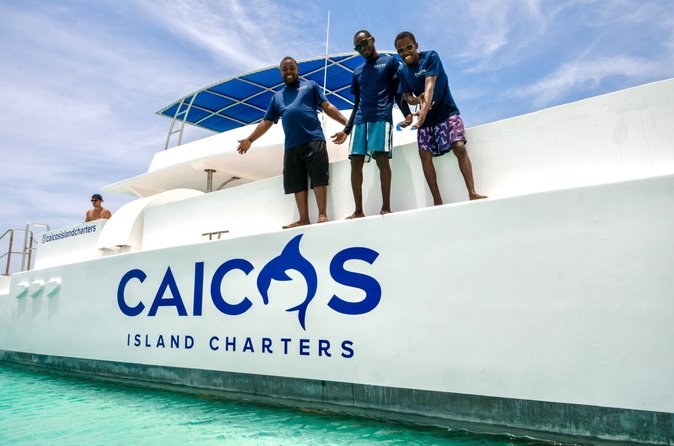
Half Day Snorkel from Providenciales with Visit to Half Moon Bay
Breakfast and lunch aboard, a snorkel and a visit to Half Moon Bay.
From $140 per person
Check Availability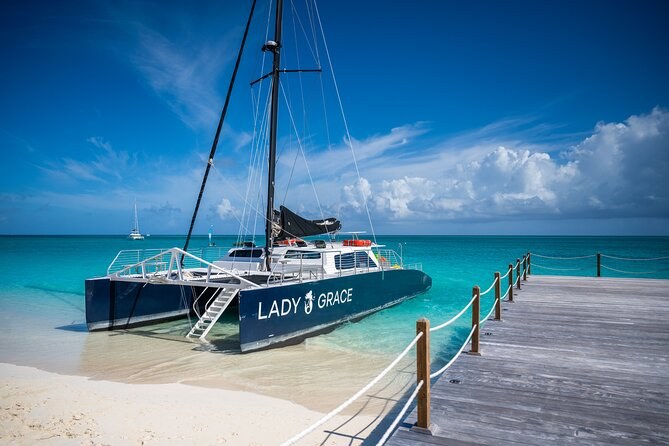
Grace Bay Luxury Catamaran Reef Snorkel Sail
Two and a half hours from the Ritz-Carlton beach: a reef snorkel, snacks and drinks.
From $109 per person
Check Availability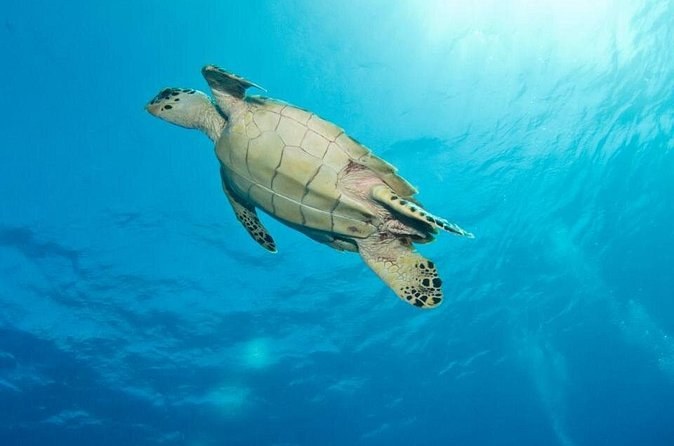
Exclusive Supreme Snorkeling Tour
The Grand Turk cruise-day snorkel: the Wall, Gibbs Cay's stingrays and a conch salad.
From $153 per person
Check Availability